
Agrometeorology Team Validates Seasonal Information to Strengthen Early Warning for Farmers
by Bond Matsiko
Kawanda, Uganda | 11 August 2026
— Researchers and technical staff at the National Agricultural Research
Laboratories (NARL), Kawanda, are today validating agrometeorological
information generated to strengthen early warning services for farmers under
the Uganda Climate Smart Agricultural Transformation Project (UCSATP).
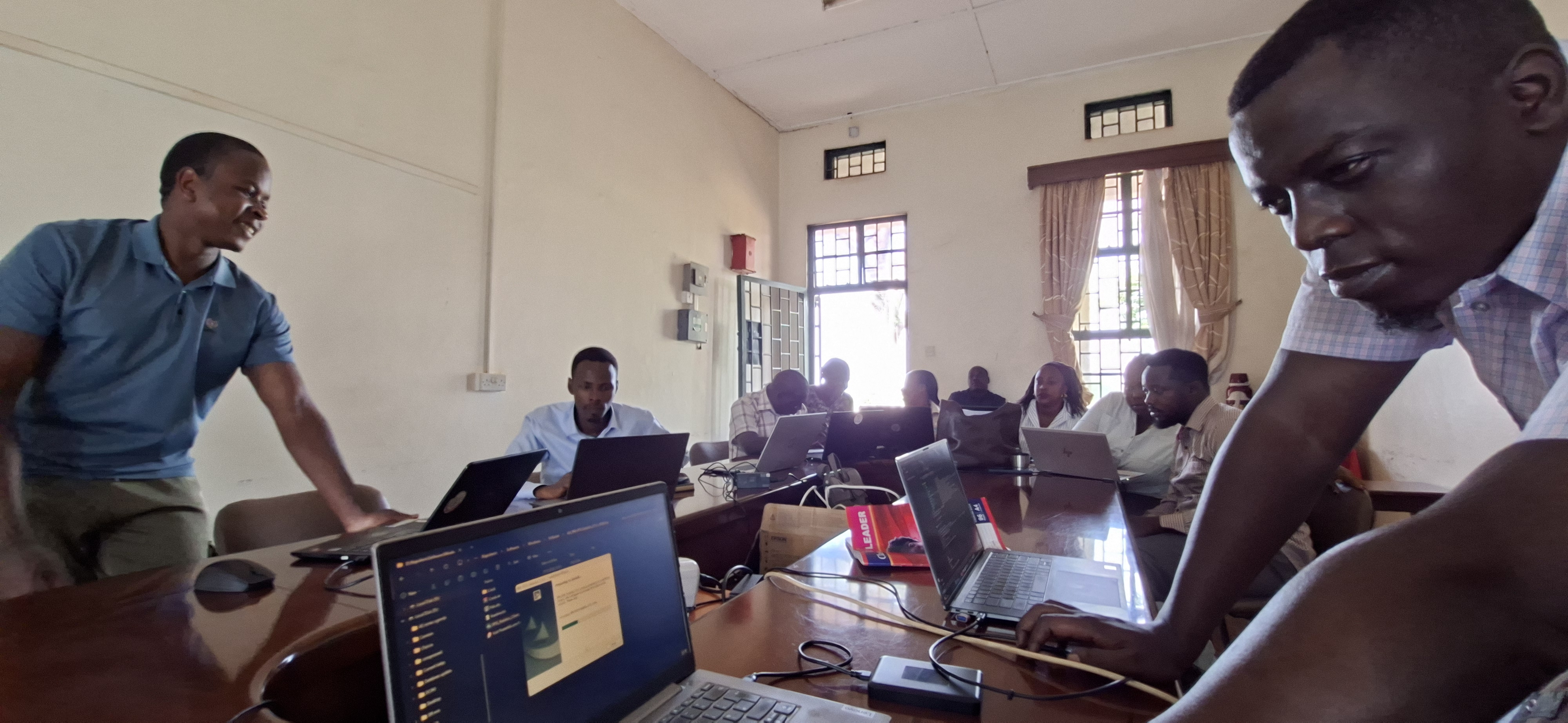
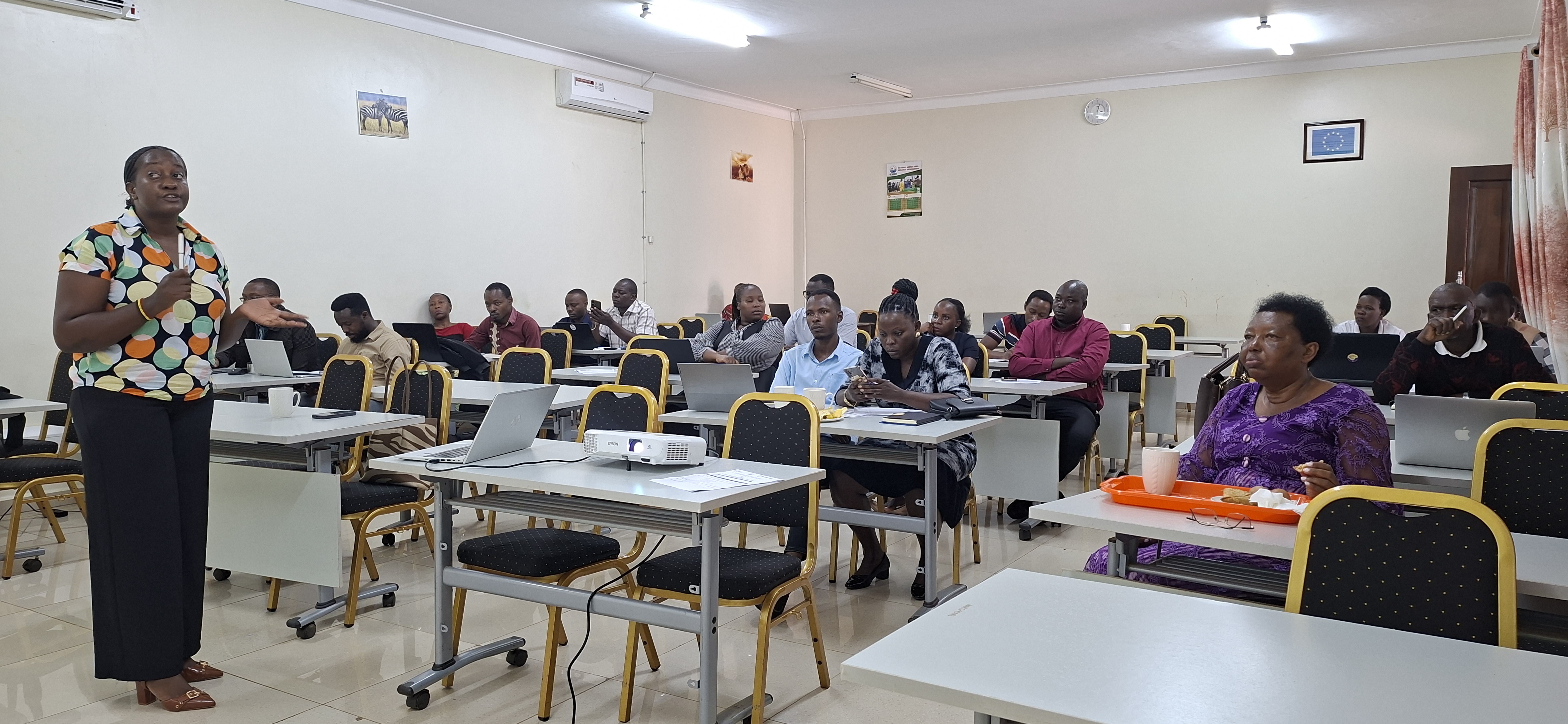
The validation workshop, being held at the FBA
Conference Hall at NARL Kawanda, is being led by the Agrometeorology Team under
the leadership of Dr. Komutunga. It brings together
representatives from different research programmes at NARL whose technical
knowledge is expected to contribute to improving the accuracy, relevance and
usability of climate information generated for the agricultural sector.
The information being validated was obtained
during a recently concluded UCSATP field activity conducted across the 69
districts where the project is being implemented. The field activity
sought to obtain climatic and seasonal information from the different regions
of the country, providing a broad evidence base for understanding local
seasonal characteristics and strengthening climate-based agricultural
advisories.
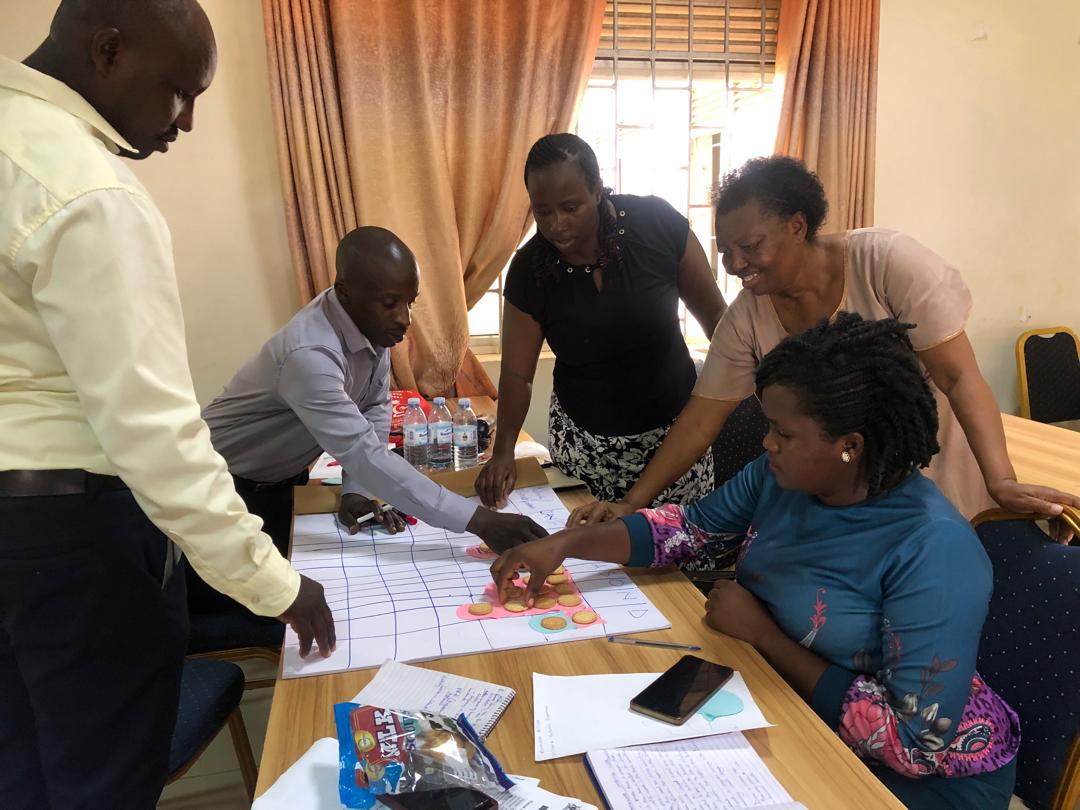
During the workshop, participants are being
randomly selected by Angela Kisakye, an Apprentice Climate Scientist,
to validate the seasonal characteristics of their regions of origin. Their
observations and technical perspectives are being compared with the information
generated through the field activity and the team's agrometeorological
analysis.
The participatory validation is intended to
establish whether the seasonal information accurately reflects conditions
experienced in different parts of Uganda. It also provides an opportunity to
identify gaps, inconsistencies or information that may require further
refinement before the outputs are incorporated into early warning services.
The participation of researchers from different
programmes is particularly important because climate variability affects
agricultural production in different ways across value chains and production
systems.
The Banana Research Program
contributes expertise on banana productivity, breeding of resilient varieties
and management of climate- and disease-related production challenges, including
banana bacterial wilt.
The Food Biosciences and Agribusiness
programme brings expertise in post-harvest technologies, value addition, food
processing, incubation and enterprise development. Climate information can help
actors in these areas anticipate production conditions and plan post-harvest
and value-addition activities.
The Biosystems and Agricultural
Engineering programme contributes knowledge on agricultural machinery,
farm tools and mechanisation technologies, areas that are influenced by
seasonal weather and soil conditions.
The Soils, Environment and Agrometeorology
programme provides expertise in soil management, soil fertility, land use and
climate and weather monitoring for agriculture, directly complementing the
development and validation of agrometeorological information.
The Biodiversity and Biotechnology
programme contributes expertise in plant genetic resources, germplasm
conservation and biotechnology, which are important for understanding and
responding to climate-related pressures on agricultural biodiversity.
By bringing these areas of expertise together,
the validation exercise provides a multidisciplinary platform for examining
whether the climate information being generated is sufficiently accurate and
relevant for Uganda's diverse agricultural systems.
A major objective of the exercise is to ensure
that early warning information goes beyond describing weather and climate
conditions to providing information that can support practical agricultural
decisions.
For farmers, timely and reliable information on
seasonal characteristics can support decisions on when to prepare land, plant,
manage crops and respond to potential climate-related risks. For researchers
and other agricultural stakeholders, the information can support planning,
technology development and the design of climate-smart interventions.
The validation therefore represents an important
quality-assurance stage in the development of UCSATP's agrometeorological
outputs. Feedback from NARL's technical teams will help refine the information
generated from the 69-district field activity and improve its relevance to the
different agricultural contexts in which the project operates.
As climate variability continues to affect
agricultural planning, strengthening the accuracy and local relevance of early
warning services remains critical to building more resilient agricultural
production systems in Uganda.
The ongoing validation at NARL Kawanda is
consequently an important step towards ensuring that the climate information
delivered through UCSATP is grounded in field evidence, strengthened by scientific
expertise and ultimately useful to farmers and other agricultural stakeholders.